Discover ‘Skeletons of the Sea’ this October Half Term! Find out more
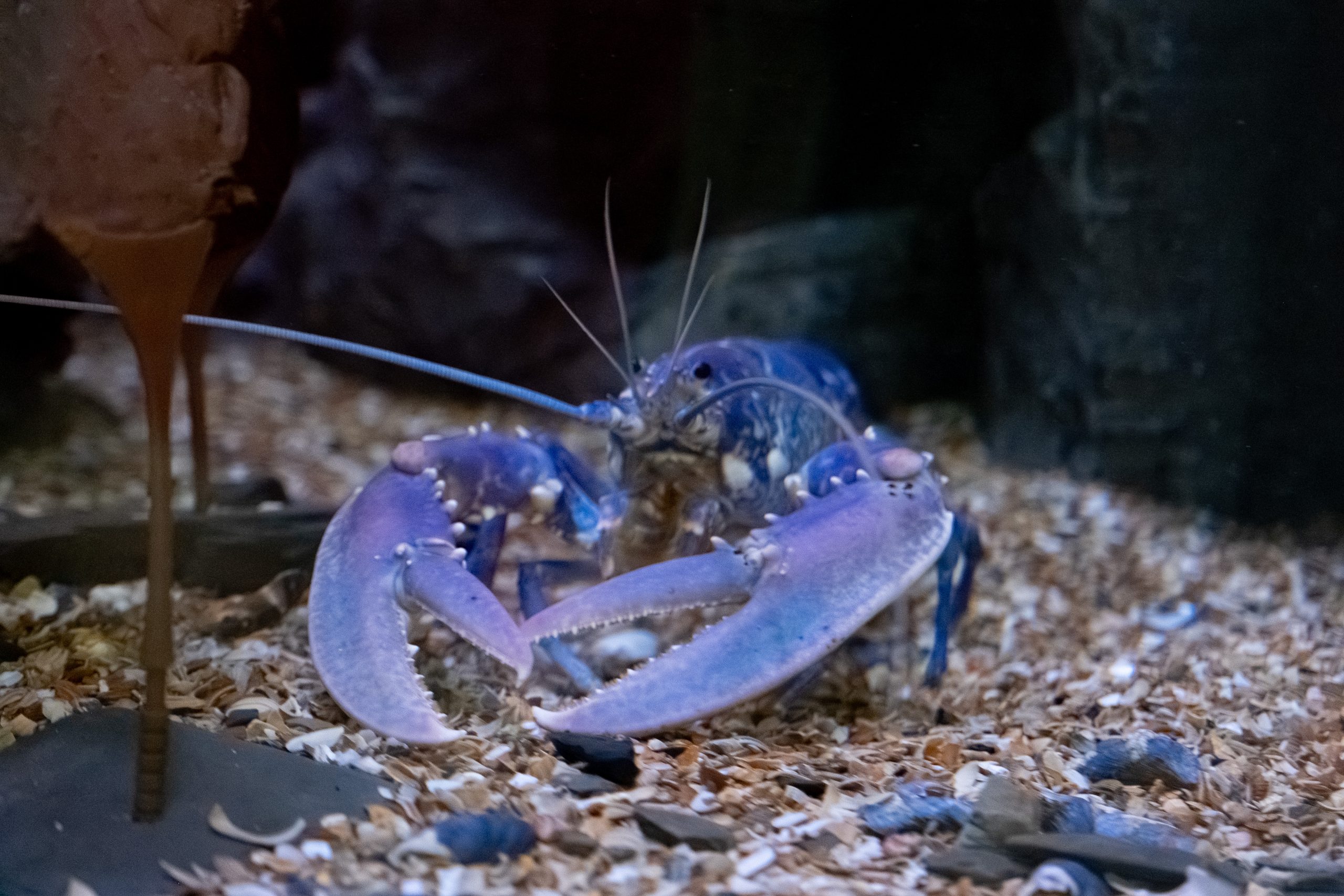
Shell yeah! One of our beloved lobsters at The National Lobster Hatchery has moulted – and our team was there to capture this incredible moment on camera!
A European lobster shedding its entire external skeleton is a remarkable sight, and one that is rarely witnessed as such a vulnerable moment in the lobster lifecycle. We’re excited to share this fascinating footage and give you a front-row seat to one of nature’s most extraordinary transformations.
Ever wondered how a lobster grows when its skeleton is on the outside? The answer is one of nature’s most extraordinary transformations: moulting. This remarkable process allows European lobsters to grow, repair damage and continue developing throughout their lives.
But shedding an entire protective skeleton is no easy feat. Discover the science behind lobster moulting and why these incredible crustaceans are far more fascinating than their armour suggests.
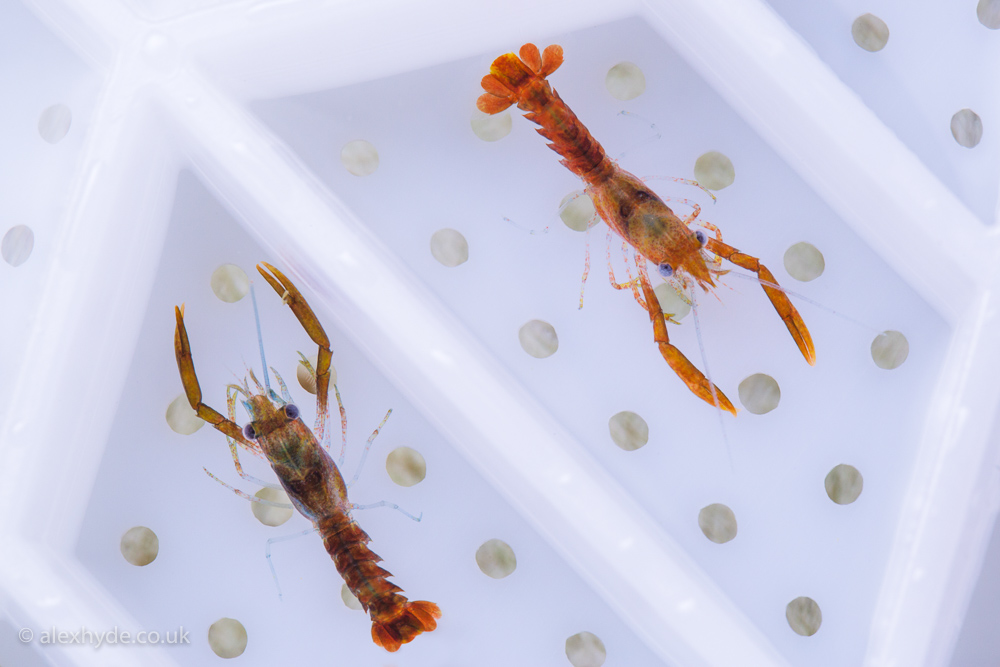
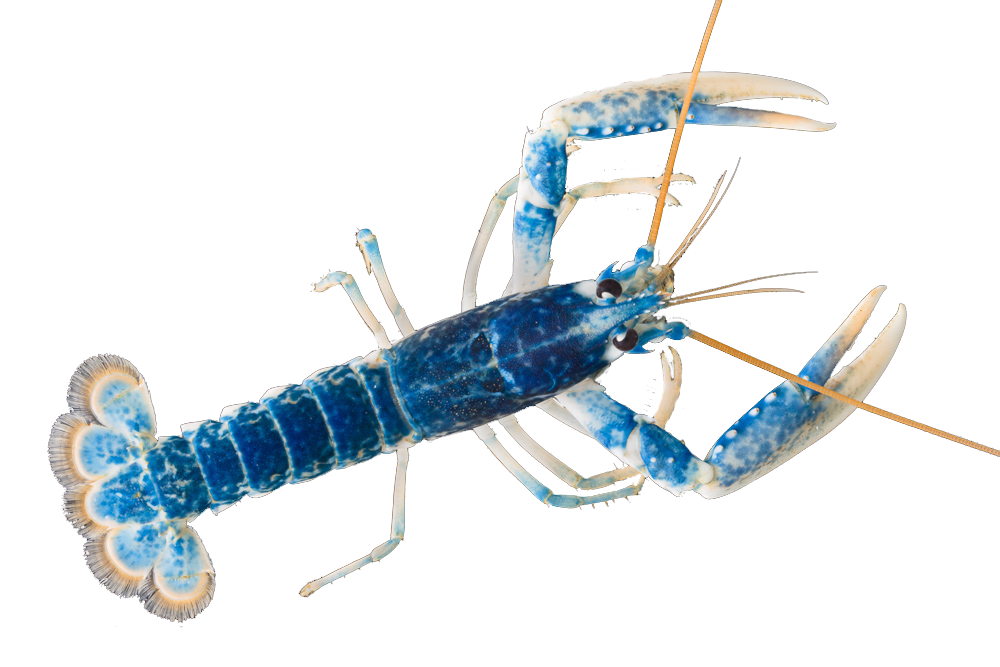
Photo credit: Alex Hyde
Unlike humans, lobsters have an external skeleton, known as an exoskeleton. This tough outer covering supports the body, protects delicate tissues and helps defend against predators.
The exoskeleton is made primarily of chitin, a structural material reinforced with minerals, including calcium carbonate. It also provides attachment points for muscles, allowing lobsters to move their legs, antennae and powerful claws.
Find out more about the anatomy of the European lobster in our guide to lobster biology.
A rigid shell cannot expand continuously as the animal grows. Instead, lobsters must periodically shed their old exoskeleton in a process called moulting (or molting).
Before moulting, a new, soft exoskeleton develops beneath the old one. The lobster absorbs water, causing its body to swell and helping the old shell split. It then carefully wriggles free, emerging with a fresh but flexible covering.
Once free, the lobster gradually hardens its new exoskeleton by depositing minerals and other structural components. It can then continue growing until the next moult.
The amount of growth at each moult varies with factors such as the lobster’s size, age, sex and environmental conditions. Young lobsters moult frequently, while adults generally do so less often.
Imagine removing your protective armour and having to wait for a new suit to harden. For a lobster, this is a vulnerable time.
Immediately after moulting, its new exoskeleton is soft, leaving it more susceptible to predators and injury. Lobsters often seek shelter while their shells harden, a process that can take from hours to weeks depending on the animal and conditions (such as water chemistry).
Moulting also requires considerable physiological effort and energy. The lobster must regulate water balance, rebuild its protective covering and restore the minerals lost with the old shell.
There is another clever trick: lobsters may eat their discarded exoskeleton, recovering valuable minerals, including calcium, to help rebuild their new armour.
Yes. The process involves shedding the external skeleton, including the rigid covering of the body and limbs. It can look almost as though a second lobster has appeared beside the first.
Moulting is also important for repairing damage. Lobsters can regenerate lost limbs over successive moults, although complete restoration takes time.
At The National Lobster Hatchery, understanding this life stage is particularly important. Newly hatched lobsters moult through several developmental stages as they grow from tiny larvae into miniature lobsters adapted to life on the seabed. Supporting their early development is an important part of the Hatchery’s conservation work.
Video credit: Lisa Hurst / The National Lobster Hatchery
This October half term, discover more about the fascinating biology of marine animals at Skeletons of the Sea at The National Lobster Hatchery in Padstow.
Meet the lobsters up close, explore the remarkable adaptations that help marine creatures survive, and discover how science reveals the secrets beneath their shells.
Find out more about Skeletons of the Sea and plan your visit.