Discover ‘Skeletons of the Sea’ this October Half Term! Find out more
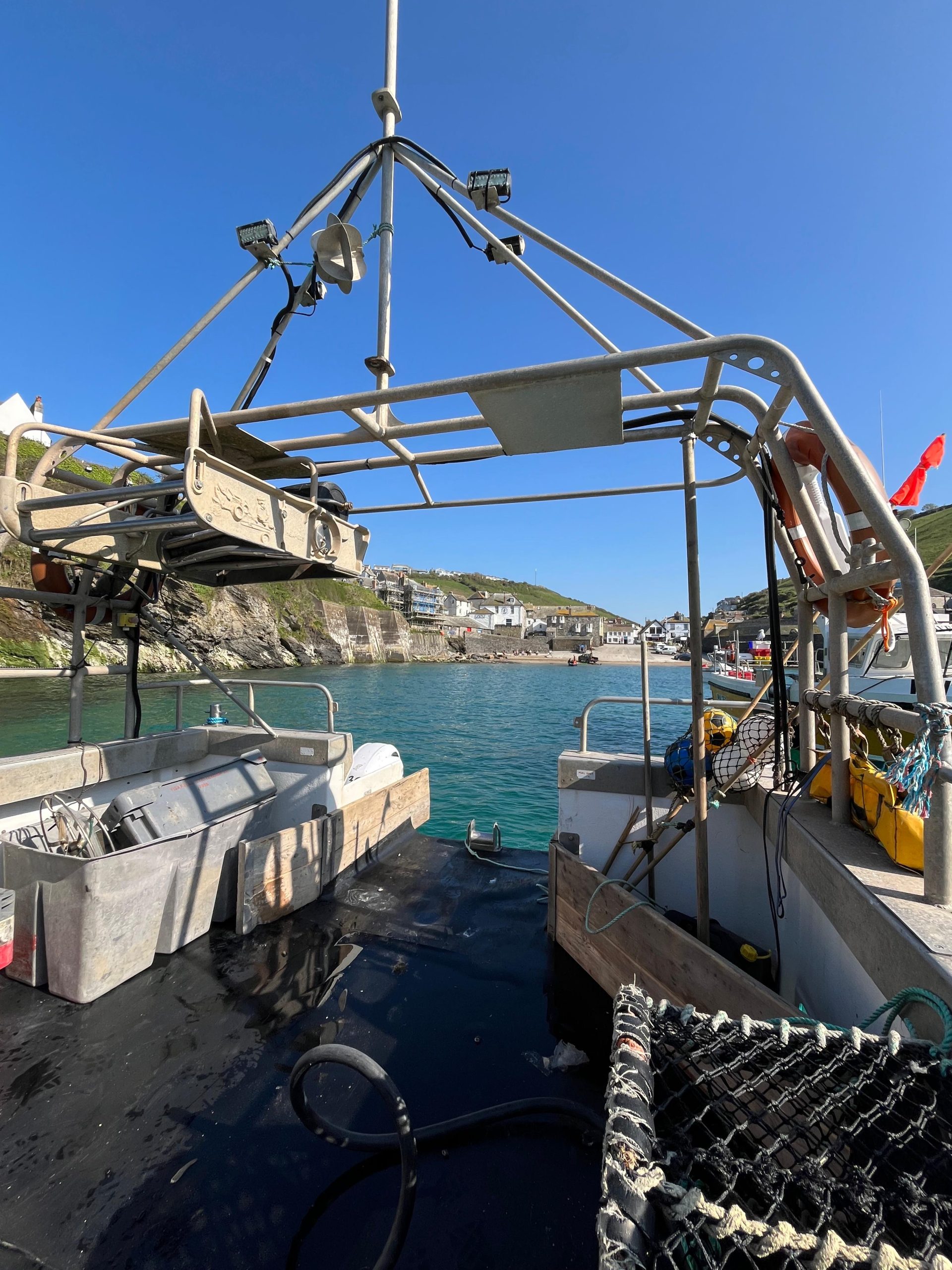
On 29th June, we’ll be celebrating International Fisherman’s Day and giving a very special shout-out to the wonderful fishers who work with The National Lobster Hatchery. Our conservation work simply wouldn’t be possible without the knowledge, care and commitment of the fishing community. From bringing berried hens safely to the Hatchery, to helping return juvenile lobsters to their native coastal waters, fishers are a vital part of this clawsome conservation story.
For many people, fishing is not just a job. It is a way of life shaped by tides, weather, seasons, skill and patience. Across Cornwall and far beyond, it is also woven into family tradition, coastal identity and the working heritage of the British Isles. As an island nation, our relationship with the sea has always been part of how we live, eat, trade and gather as communities.
Here in Cornwall, that connection is especially deep. Fishing has long supported coastal towns and villages, not only through the fish and shellfish landed at harbour, but through the many people and businesses connected to seafood: merchants, processors, chefs, restaurants, engineers, harbour workers, tourism businesses and local families.
Recent research commissioned by the Cornish Fish Producers’ Organisation found that Cornwall’s seafood sector contributes £174 million to Cornwall’s gross value added and supports approximately 8,000 jobs. It also found that for every fisher at sea, around 15 additional jobs are supported onshore. That is a powerful reminder that fishing is not an isolated industry — it is part of a much wider living network.
At The National Lobster Hatchery, collaboration with fishers is central to what we do.
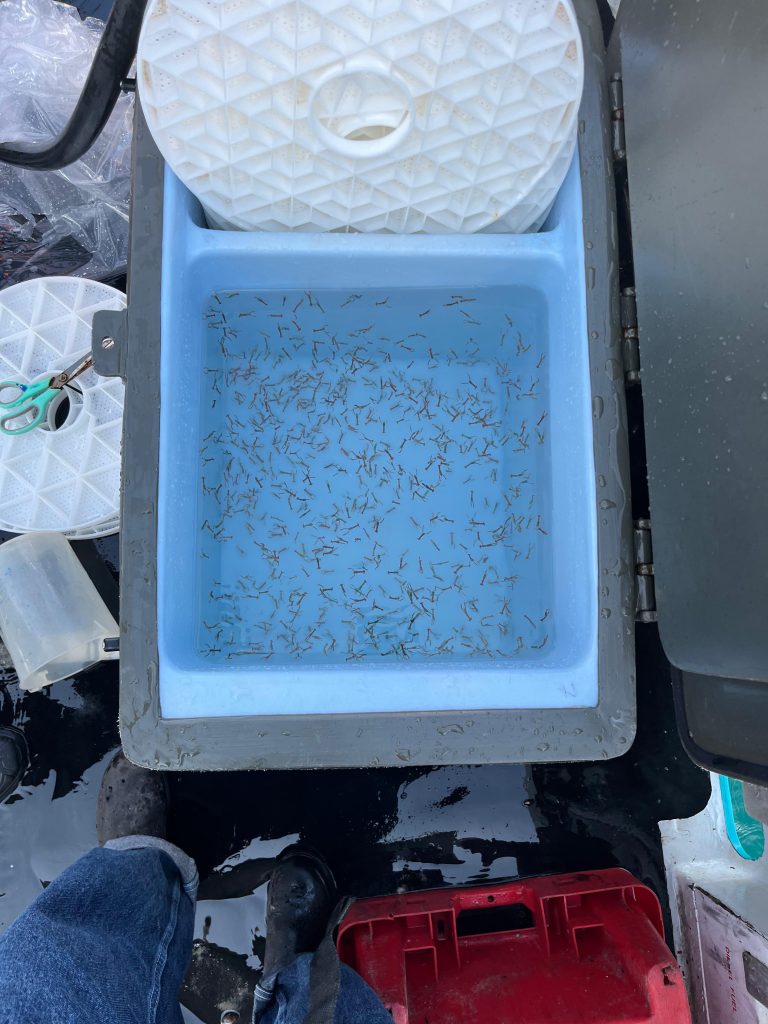
Our stock enhancement programme begins with berried hens — female lobsters carrying eggs. Working with the fishing community allows the Hatchery team to care for these lobsters while their larvae hatch, rear the young lobsters through their most vulnerable early life stages, and release juveniles back into suitable native coastal habitats.
That partnership is practical, local and deeply rooted in shared care for the future of the fishery.
Fishermen bring vital knowledge of the sea: where habitats are found, how conditions change, which grounds are productive, seasonal changes and how best to work with the rhythms of the coastline. This kind of lived experience is invaluable. Conservation programmes are strongest when scientific knowledge and local ecological knowledge (LEK) work together.
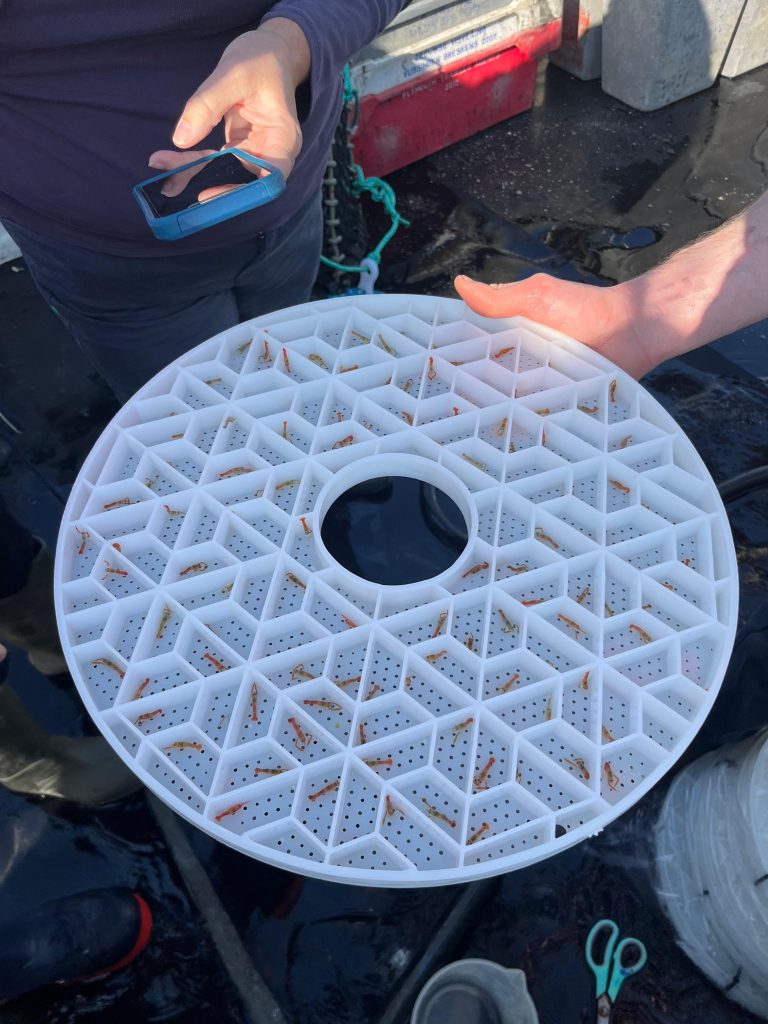
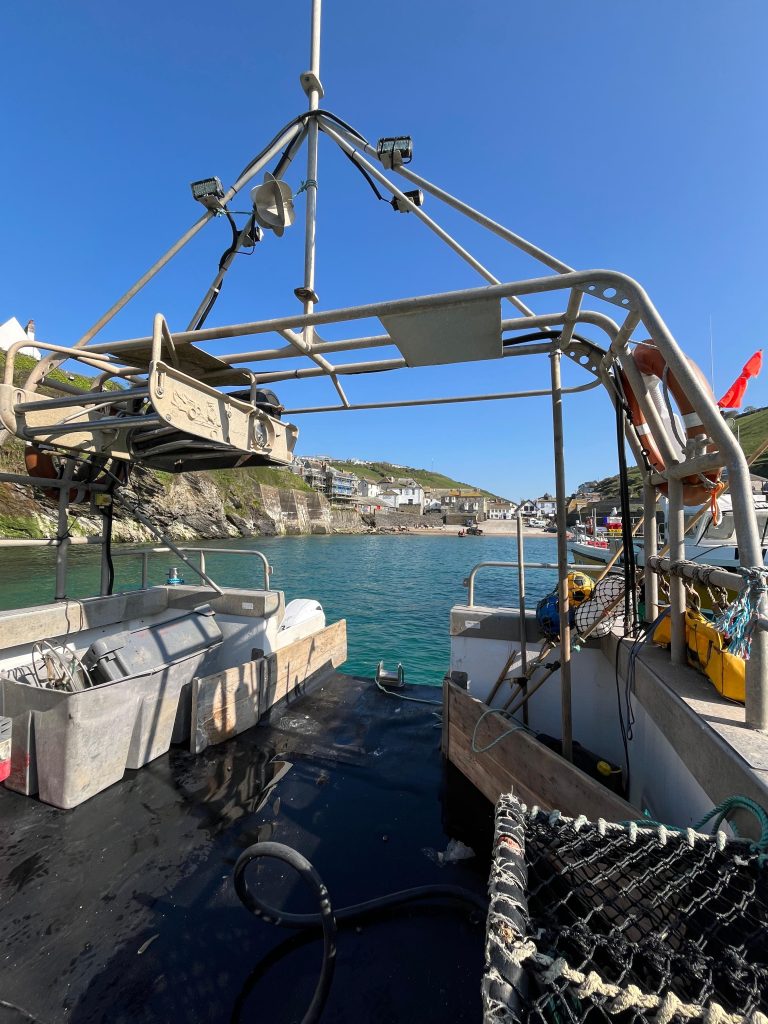
The Hatchery uses several release methods, including shore releases, dive releases and fisher-assisted boat releases. Juvenile lobsters are lowered to the seabed using specialist release equipment, helping them reach suitable habitat as they begin life in the wild.
It is a beautiful example of marine conservation in action: science, care, industry and community all working together for the same future.
Sustainable fishing is about more than today’s catch. It is about protecting the future of fish and shellfish populations, marine ecosystems, coastal livelihoods and the communities that depend on them.
Cornish lobster fisheries are supported by management measures such as minimum landing sizes and restrictions on landing berried lobsters. These measures help protect breeding individuals and support the long-term health of lobster populations.
The National Lobster Hatchery was founded in response to concerns about declining lobster catches around Cornwall and the Isles of Scilly in the late 1980s and early 1990s. Since then, the Hatchery has worked as part of a wider approach to supporting healthy lobster stocks, combining conservation, research, education and collaboration with the fishing industry.
This matters because healthy seas and healthy fisheries are connected. Lobsters are part of complex coastal ecosystems, living among rocky reefs, gravel and seabed habitats. Supporting lobster populations is not only about one species; it is also about contributing to the resilience of the habitats, food webs and coastal economies they are part of.
This International Fisherman’s Day, we want to say a huge thank you to the fishers who support The National Lobster Hatchery and our work.
Thank you for your knowledge, your time, your skill and your commitment. Thank you for being part of a conservation story that stretches from the harbour to the hatchery, from tiny larvae to juvenile lobsters, and from Cornwall’s coastal waters to the wider future of sustainable fisheries.
The next generation of lobsters — and the next generation of coastal communities — depend on collaboration.
And we are incredibly proud to work alongside fishers who help make that possible.
Want to be part of the story?
Visit The National Lobster Hatchery in Padstow to see our conservation work up close, sign up to Hatching News for updates from the team, or support our work by adopting a lobster.
Seafish – FAO Code of Conduct for Responsible Fisheries summary
The National Lobster Hatchery – The Fishery
The National Lobster Hatchery – Journey of a Hatchery-Reared Lobster
GOV.UK / Marine Management Organisation – Fishing industry 2024 statistics published
GOV.UK / Marine Management Organisation – Cornwall: Value of Seafood
Cornish Fish Producers’ Organisation – Our Value
Seafish – Fishing data and insight
Cornwall Good Seafood Guide – Lobster
Cornwall Good Seafood Guide – History of the Cornish Fishing Industry
Cornwall Wildlife Trust – Cornwall Good Seafood Guide