Discover ‘Skeletons of the Sea’ this October Half Term! Find out more
“The National Lobster Hatchery is helping to restore wild lobster populations by giving young lobsters a head start before releasing them into the ocean. But one important question remains: How can we give young lobsters the best chance of surviving in the wild?
I am a marine biologist, and my research master’s degree at the University of Plymouth approaches this question from three different angles by investigating their physiology, behaviour, and post-release dynamics.
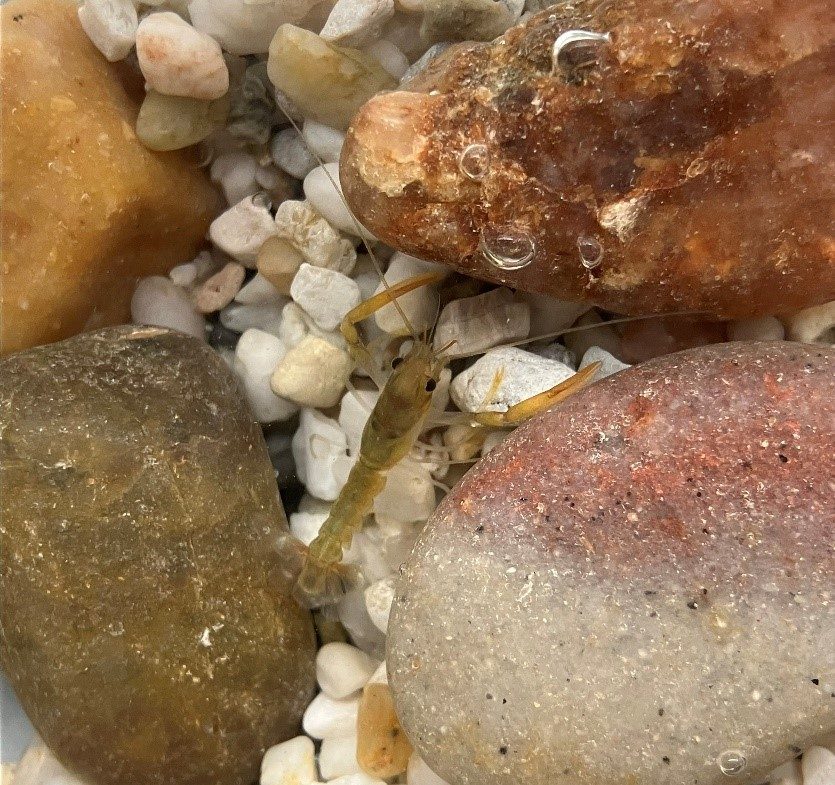
First, I’m investigating lobster physiology to understand how temperature affects juvenile lobsters. Environmental temperatures are increasingly dynamic, unpredictable and extreme and by finding the temperatures at which juvenile lobsters grow and perform best, we can help to identify the optimum times of the year to release hatchery-reared lobsters.
To inform where lobsters are released, I am also studying lobster behaviour. Where do young lobsters like to hide? Which habitats do they prefer? How do they explore their surroundings? Answering these questions will help the hatchery choose release sites that give lobsters the greatest chance of surviving and thriving.
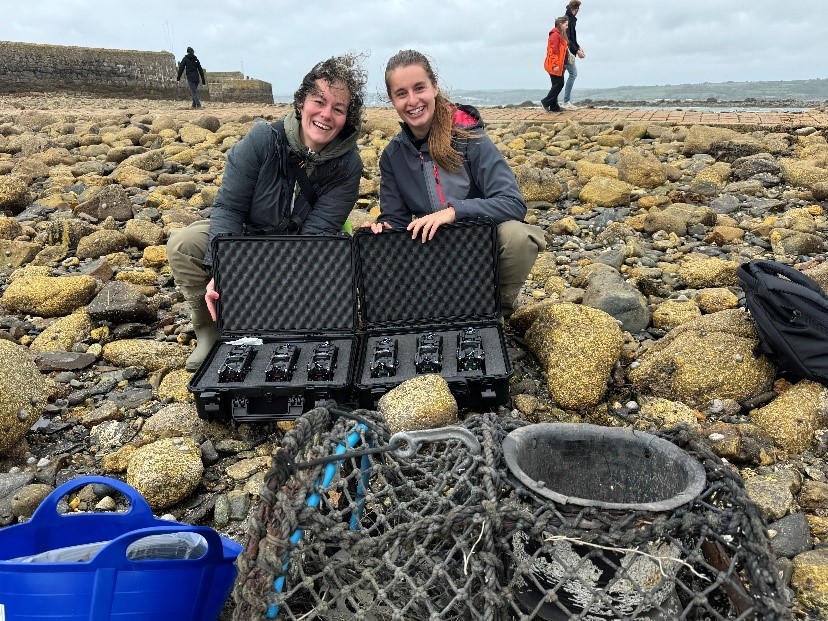
Finally, I’m developing what I like to call “lobster CCTV” by deploying a network of underwater cameras, developed by local company Phenomyx, at release sites, to watch what hatchery lobsters do in the minutes, hours and days after release. Such understanding is only possible through continued autonomous monitoring, and we hope it will drive better understanding of where and how hatchery reared lobsters interact with their new environment following release.
Our lucky lobster have a very prestigious new home, as the chosen project location for studying release behaviour, is the iconic St Michaels Mount. Speaking of the project Duncan Murdoch, Head of Operations at St Michael’s Mount shared..: “We’re pleased to be supporting this research by providing a release site and hosting the underwater cameras in the waters around St Michael’s Mount. It’s an important project that we hope will contribute to healthier coastal ecosystems for the future.”
My ambitious project will provide practical evidence that we hope will contribute to enhancing the work that hatcheries do by improving release methods for young lobsters. By giving released lobsters the best possible chance of survival, we can help strengthen wild populations and support healthier coastal ecosystems for the future.
We are incredibly grateful to the Seale-Hayne Educational Trust and University of Plymouth’s School of Biological and Marine Sciences for funding this important research”.
Written by: Sophie Harley
Image 1: Manuela Truebano-Garcia (left) and Sophie Harley (right) from the University of Plymouth holding underwater cameras to carry out lobster releases with the National Lobster Hatchery at St Michaels Mount, Cornwall.
Image 2: Juvenile European lobster (Hommarus gammarus) involved in physiology and behaviour experiments at the University of Plymouth.