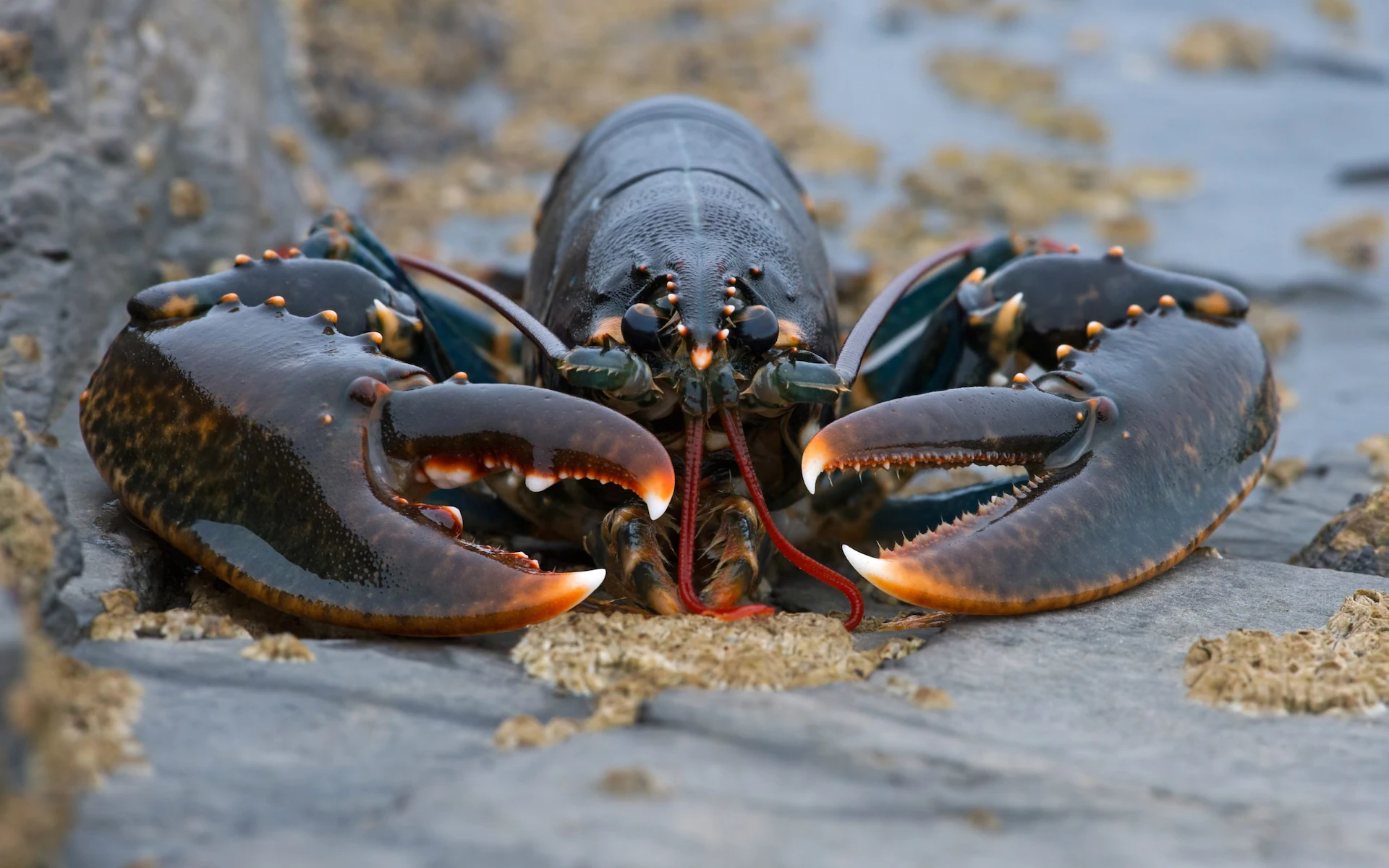
The UK’s marine environment has been making national headlines this month, with growing concern over the impact of an extreme marine heatwave on our coastal ecosystems.
A recent article in The Telegraph explores how unusually warm sea temperatures are affecting lobster populations and the wider marine environment, highlighting emerging challenges for fishermen, wildlife and coastal communities alike. As a marine conservation, research and education charity working to protect the future of European lobsters, The National Lobster Hatchery welcomes greater public awareness of these important issues.
Scientists have reported that parts of UK waters are experiencing exceptionally high sea temperatures, creating conditions that can alter marine ecosystems and influence where different species are found. Warmer waters can encourage species that are normally found further south to move into UK seas, while also placing additional pressure on cold-water species and changing predator-prey relationships.
As highlighted in The Telegraph:
“…rising temperatures bring predatory octopuses to British waters.”
The article explains that one contributing factor is an increase in octopus numbers in UK waters, with warmer seas allowing these highly effective predators to expand their range.
These changes illustrate how connected our marine ecosystems are, and how environmental shifts can have consequences for wildlife, fisheries and coastal economies.
At The National Lobster Hatchery, our mission is to Protect. Pioneer. Inspire.
Our conservation work focuses on increasing the survival of juvenile European lobsters through our Raise & Release programme, while our research helps improve understanding of the challenges facing this iconic species. Important both ecologically and economically.
Climate change is one of several pressures affecting our seas, alongside habitat loss, pollution and changing marine ecosystems. While healthy lobster populations have always adapted to changing conditions, the pace of environmental change makes continued scientific research and conservation more important than ever.
By working closely with fishermen, researchers, universities and conservation partners, we continue to build knowledge that supports resilient lobster populations and healthier seas for future generations.
The Telegraph article provides an interesting overview of how this summer’s marine heatwave may be influencing lobster populations and the wider marine environment.
You can read the full article here:
Lobsters at risk from ‘extreme sea heatwave’ – The Telegraph
As scientists continue to monitor conditions around the UK coastline, The National Lobster Hatchery will continue its work to protect one of our most important native marine species through conservation, research and education.
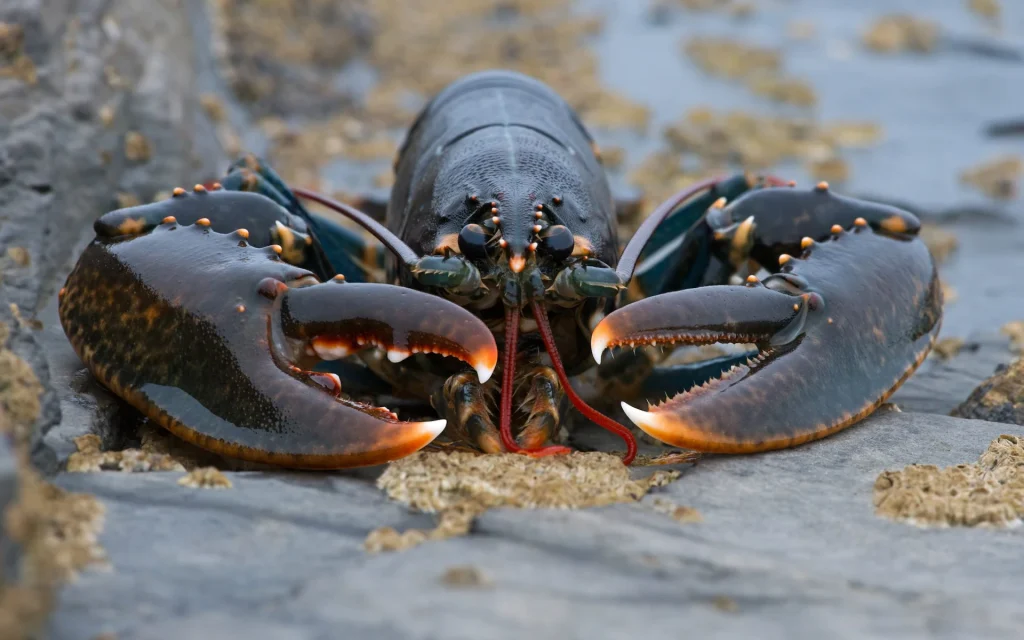
Credit: Dave M Hunt/iStockphoto