Discover ‘Skeletons of the Sea’ this October Half Term! Find out more

The National Lobster Hatchery has reached a major milestone in its 2026 release programme, returning more hatchery-reared European lobsters to the sea in just three months than were released throughout the whole of 2025.
Since April, thousands of juvenile lobsters have been released around the Cornish coast and the Isles of Scilly, marking a significant step forward in the National Lobster Hatchery’s long-term programme of lobster stock enhancement.
From snorkel and boat releases to opportunities for the public to get involved, juvenile lobsters are being carefully transported from the hatchery back into their native coastal habitats.
Every release represents the final stage of a carefully managed journey that begins with a female lobster carrying thousands of eggs beneath her tail.
Once hatched, lobster larvae enter one of the most vulnerable phases of their lifecycle. At this stage they are planktonic, drifting in the water column and exposed to intense natural predation. Find out more about the fascinating biology of the European lobster and its remarkable lifecycle.
The National Lobster Hatchery’s role is to improve their chances of survival through this critical early life stage. Using specialist hatchery techniques, the young lobsters are carefully reared through successive moults until they develop into miniature versions of the adult animal.
After four moults, they reach the benthic stage of development and become increasingly adapted to life on the seabed. At around two months old, the juveniles are ready to be released.
At just approximately 1 cm in length, they may be tiny, but this is a significant transition. No longer dependent on the planktonic environment, they can settle onto the seabed and seek shelter within gravel and other suitable habitats.
This is where the next chapter of their journey begins.
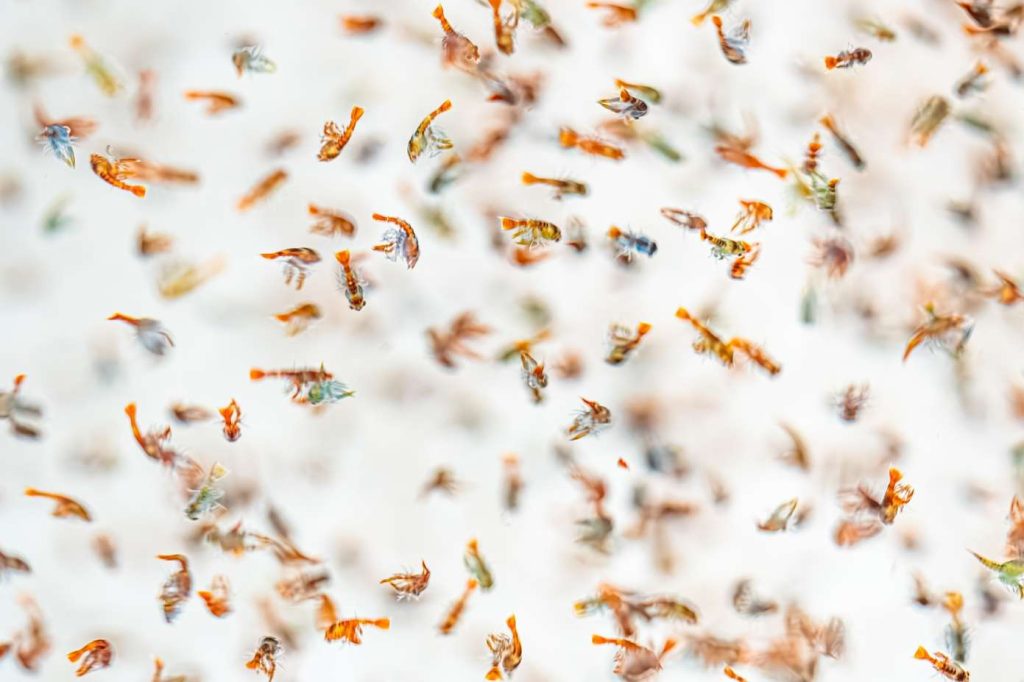
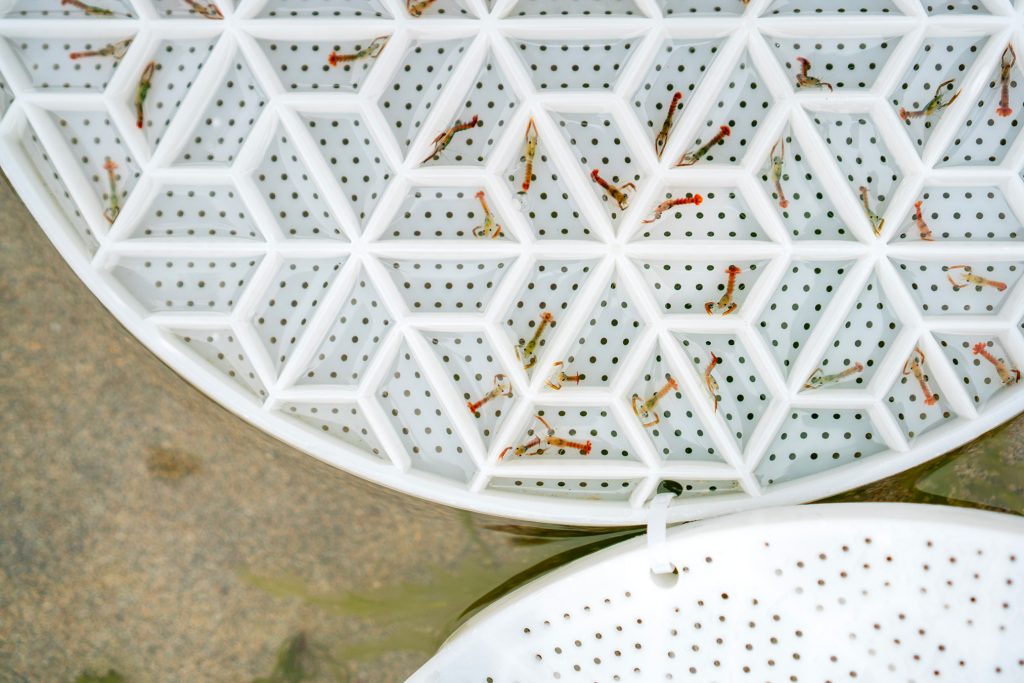
Photo credit: Lewis Jefferies / Mat Arney
The National Lobster Hatchery uses several release techniques, selected according to the location and habitat.
Some juvenile lobsters are carefully delivered to the seabed by divers. Others are released from boats, working alongside regional fishermen to place them directly into suitable habitat. Shore-based releases provide another route back to the ocean – and an opportunity for members of the public to witness marine conservation in action.
Each method has the same objective: to give hatchery-reared juveniles the best possible opportunity to establish themselves in the wild. Research into survival and the impact of lobster releases continues to help scientists understand what happens after these tiny animals return to the sea.
European lobster (Homarus gammarus) is both an ecologically and economically important species, for healthy marine ecosystems, supporting fisheries, coastal businesses and communities around the UK.
However, high commercial value also brings significant fishing pressure, alongside other factors such as water pollution and climate change. European lobster populations are therefore vulnerable to declines in abundance, with the potential for severe stock depletion if populations are not effectively managed.
Stock enhancement is one part of a much wider approach to sustainable fisheries management. By rearing juvenile lobsters through their most vulnerable early life stages before releasing them into the wild, the National Lobster Hatchery aims to increase the number of individuals reaching the seabed and contribute to the resilience of wild populations.
The charity’s work sits at the intersection of conservation, research and education. Alongside its release programme, the National Lobster Hatchery continues to investigate lobster biology, survival and population dynamics, helping to build the scientific understanding needed to inform future conservation and fisheries management. Its research programme explores everything from lobster ecology and nutrition to culture systems and the effectiveness of stocking releases.
The latest milestone builds on more than two and a half decades of conservation work.
Since the National Lobster Hatchery began its release programme in 2000, hundreds of thousands of hatchery-reared lobsters have been released into the wild.
Each one represents an investment in the future of a species that is deeply connected to the marine ecology, economy and culture of our coastal communities.
Reaching this year’s milestone so early in the release season is a significant achievement – but the number itself is only part of the story.
Behind every release is a combination of hatchery expertise, scientific research, careful husbandry, local knowledge and collaboration. It is also a reminder of the scale of what can be achieved when conservation moves beyond the laboratory and into the places where it matters most: the sea.
That work begins long before a lobster reaches the release site. Over the winter, the hatchery team carried out essential renovation and improvement work to prepare the systems for another busy hatching and release season.
A 1 cm lobster might seem insignificant against the scale of the ocean. But conservation is often about recognising that small interventions can contribute to much bigger ecological outcomes.
The journey from egg, to larva, to juvenile, to adult lobster is one of survival against the odds. By giving young lobsters additional support during their most vulnerable stages, the National Lobster Hatchery is working to shift those odds in their favour. In the wild, only around 1 in 20,000 lobster hatchlings are expected to survive to the benthic stage; hatchery techniques can improve survival by around 1,000 times. Explore the science behind lobster survival and hatchery rearing.
Thousands have already made the journey from the hatchery to the seabed this year. And as the 2026 release season continues, so does the work to better understand, protect and replenish one of the UK’s most valuable marine species.
Small lobsters. Big science. A long-term investment in the future of our seas.
The National Lobster Hatchery continues to Protect. Pioneer. Inspire.
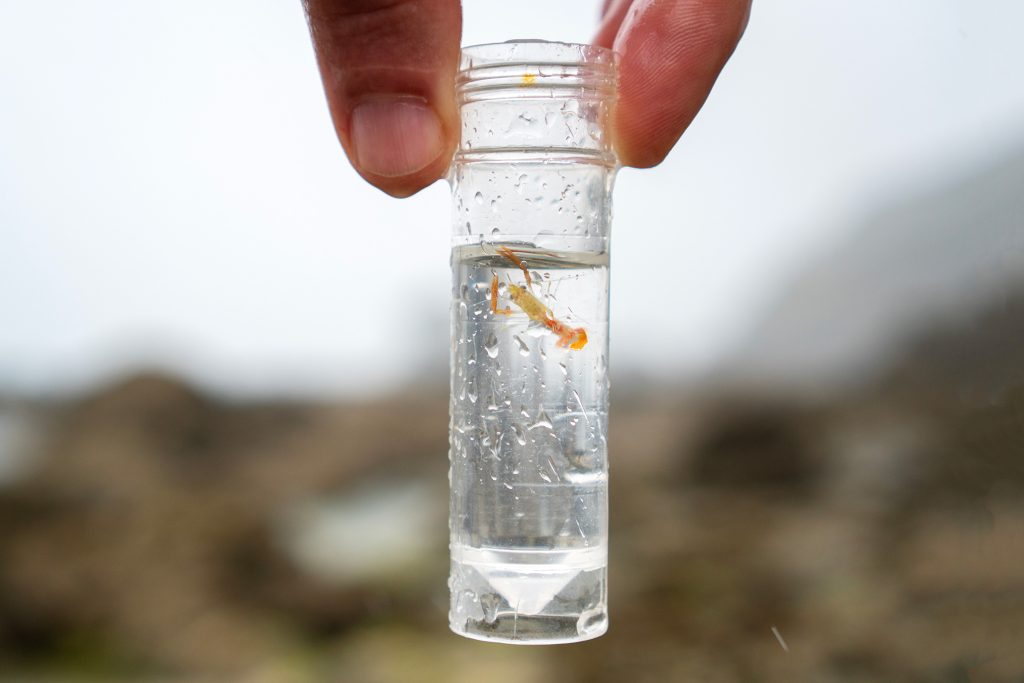
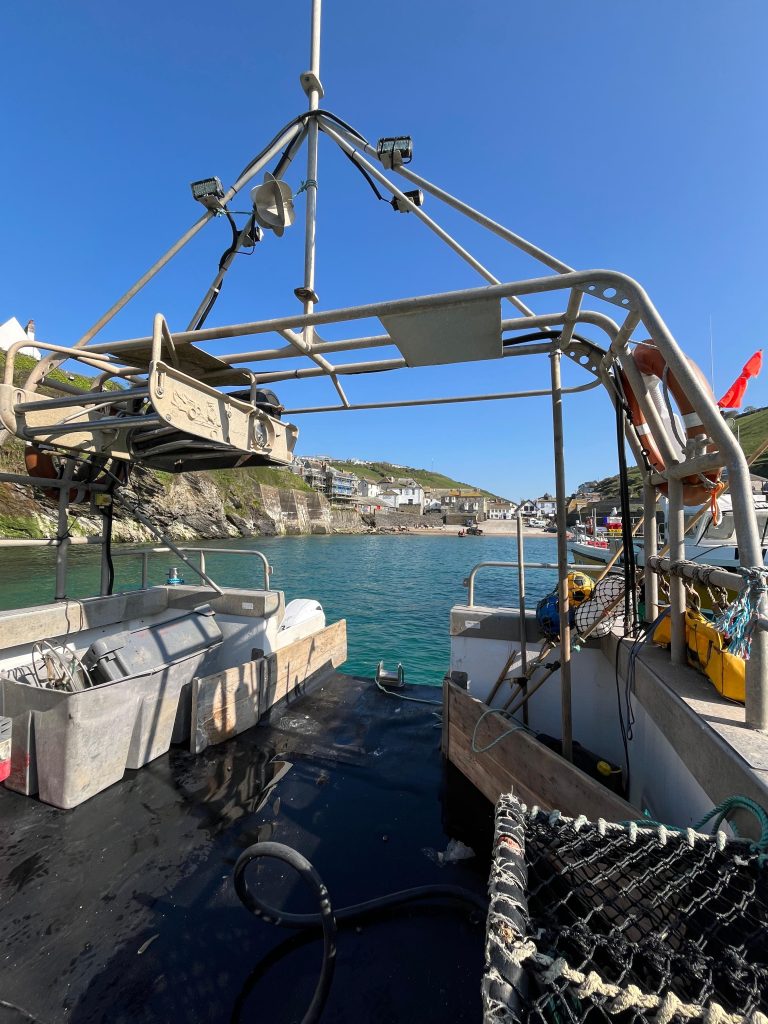
Photo credit: Mat Arney / The National Lobster Hatchery